Buy filter-shop.eu ?
We are moving the project
filter-shop.eu .
Are you interested in purchasing the domain
filter-shop.eu ?
domain@kv-gmbh.de · 0541-91531010
Buy filter-shop.eu ?
How can I simulate a low-pass and high-pass filter in LTspice?
To simulate a low-pass filter in LTspice, you can use a resistor-capacitor (RC) circuit where the capacitor is connected in parallel with the load. The cutoff frequency of the filter can be adjusted by changing the values of the resistor and capacitor. For a high-pass filter, you can use an inductor-capacitor (LC) circuit where the inductor is connected in series with the load. Similarly, the cutoff frequency can be adjusted by changing the values of the inductor and capacitor. By simulating these circuits in LTspice and analyzing the frequency response, you can observe how the filters attenuate or pass certain frequencies according to their characteristics. **
What is an NTC resistor in LTspice?
An NTC (Negative Temperature Coefficient) resistor in LTspice is a type of resistor that has a resistance value that decreases as the temperature increases. This type of resistor is commonly used in temperature sensing and compensation circuits. In LTspice, an NTC resistor can be modeled using a specific component symbol and its resistance-temperature characteristics can be defined using a temperature-resistance curve. This allows for accurate simulation of circuits that incorporate NTC resistors. **


Similar search terms for LTspice
Top-Angebote
Products related to LTspice:
-
Puressentiel Muscle Strain Massage Oil 100mLA skin-care product. Preventing pain and heating muscles is important for athletes. This product relieves pain, fights inflammation, relaxes and warms the muscles. It presents in this formula: essential oils of lemon eucalyptus, true lavender, peppermint, rosemary, canphore and vegetable oils of arnica, queen of meadows and sesame that help reduce pain, eliminate toxins and facilitate massage.15,79 £*Shipping: 6,86 £Secure redirect to the provider
-
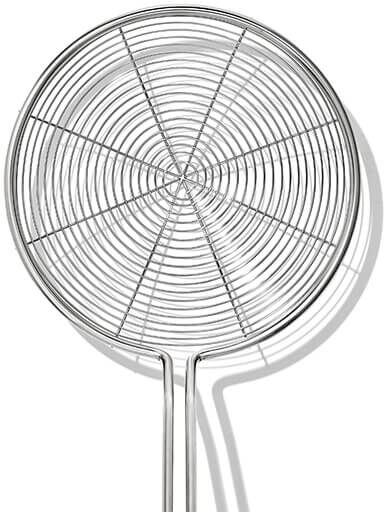
OXO Good Grips Scoop and Strain SkimmerThe OXO Good Grips Scoop and Strain Skimmer is ideal for retrieving pasta from boiling water, or fries from a fryer, owing to is wide basket and stainless steel composition. A handle with a long stem keeps your hand protected from hot pans, and the wired basket allows water and oil to drip out as food is lifted, while also preventing food damage. A soft, non-slip handle provides a good, comfortable grip. Dishwasher safe, this skimmer offers easy cleaning for kitchen efficiency. Dimensions: 37.6 (H) x 13.9 (W) cm. Dishwasher safe.17,85 £*Shipping: 3,50 £Secure redirect to the provider
-
NUDE Glass Refine Burgundy Set of 2The NUDE Refine collection comprises a wide range of delicate-yet-durable glasses — including this Burgundy duo. The sturdy base and the tall, slender stem are crowned with a traditional bowl with a tapered rim designed to retain aromas and flavours.40,00 $*Shipping: 0,00 $Secure redirect to the provider



-
How can one simulate a rectifier in LTspice?
To simulate a rectifier in LTspice, you can use a diode component to model the rectification process. Connect the diode in series with the input signal that you want to rectify. Make sure to set the diode's parameters, such as the forward voltage drop and reverse recovery time, to accurately represent the rectifier you are trying to simulate. By running a transient analysis on the circuit, you can observe the rectified output waveform and analyze its behavior. **
-
How can I generate a triangular waveform in LTspice?
To generate a triangular waveform in LTspice, you can use a voltage-controlled voltage source (E) and a capacitor (C). Connect the output of the voltage-controlled voltage source to the positive terminal of the capacitor, and the negative terminal of the capacitor to ground. Then, connect a resistor from the negative terminal of the capacitor to the output of the voltage-controlled voltage source. Set the value of the voltage-controlled voltage source to a linear function, such as "V = 1k*time" to create a linearly increasing voltage over time, which will result in a triangular waveform across the capacitor. **
-
How can the differential voltage be calculated in LTspice?
In LTspice, the differential voltage can be calculated by using the "Voltage" probe. First, place two voltage probes at the two nodes between which you want to measure the differential voltage. Then, run the simulation and the voltage difference between the two nodes will be displayed on the waveform viewer. This will give you the differential voltage between the two nodes in the circuit. **
-
How do I charge 2 capacitors in series with LTspice?
To charge 2 capacitors in series with LTspice, you can create a simple circuit with two capacitors connected in series between a voltage source and ground. Make sure to specify the values of the capacitors and the voltage source in the circuit. Run a transient analysis simulation to observe how the capacitors charge up over time. You can also plot the voltage across each capacitor to see how it changes during the charging process. **


Why does LTspice show a minus sign before the ampere?
LTspice shows a minus sign before the ampere to indicate the direction of current flow. In LTspice, a negative current value indicates that the current is flowing in the opposite direction to the one defined in the circuit. This convention helps users quickly identify the direction of current flow in their circuits and analyze the behavior of components accordingly. **
Is this programming of the bridge rectifier in LTspice correct?
Without the specific details of the programming, it is difficult to determine if the bridge rectifier in LTspice is correct. However, to ensure the accuracy of the bridge rectifier, it is important to verify that the diodes are properly connected and oriented, and that the input and output connections are correctly configured. Additionally, it is essential to check the simulation results to confirm that the rectifier is functioning as expected. If the simulation results align with the expected behavior of a bridge rectifier, then the programming is likely correct. **
Top-Angebote
Products related to LTspice:
-
Puressentiel Muscle Strain Massage Oil 100mLA skin-care product. Preventing pain and heating muscles is important for athletes. This product relieves pain, fights inflammation, relaxes and warms the muscles. It presents in this formula: essential oils of lemon eucalyptus, true lavender, peppermint, rosemary, canphore and vegetable oils of arnica, queen of meadows and sesame that help reduce pain, eliminate toxins and facilitate massage.15,79 £*Shipping: 6,86 £Secure redirect to the provider
-
OXO Good Grips Scoop and Strain SkimmerThe OXO Good Grips Scoop and Strain Skimmer is ideal for retrieving pasta from boiling water, or fries from a fryer, owing to is wide basket and stainless steel composition. A handle with a long stem keeps your hand protected from hot pans, and the wired basket allows water and oil to drip out as food is lifted, while also preventing food damage. A soft, non-slip handle provides a good, comfortable grip. Dishwasher safe, this skimmer offers easy cleaning for kitchen efficiency. Dimensions: 37.6 (H) x 13.9 (W) cm. Dishwasher safe.17,85 £*Shipping: 3,50 £Secure redirect to the provider
-
How can I simulate a low-pass and high-pass filter in LTspice?
To simulate a low-pass filter in LTspice, you can use a resistor-capacitor (RC) circuit where the capacitor is connected in parallel with the load. The cutoff frequency of the filter can be adjusted by changing the values of the resistor and capacitor. For a high-pass filter, you can use an inductor-capacitor (LC) circuit where the inductor is connected in series with the load. Similarly, the cutoff frequency can be adjusted by changing the values of the inductor and capacitor. By simulating these circuits in LTspice and analyzing the frequency response, you can observe how the filters attenuate or pass certain frequencies according to their characteristics. **
-
What is an NTC resistor in LTspice?
An NTC (Negative Temperature Coefficient) resistor in LTspice is a type of resistor that has a resistance value that decreases as the temperature increases. This type of resistor is commonly used in temperature sensing and compensation circuits. In LTspice, an NTC resistor can be modeled using a specific component symbol and its resistance-temperature characteristics can be defined using a temperature-resistance curve. This allows for accurate simulation of circuits that incorporate NTC resistors. **
-
How can one simulate a rectifier in LTspice?
To simulate a rectifier in LTspice, you can use a diode component to model the rectification process. Connect the diode in series with the input signal that you want to rectify. Make sure to set the diode's parameters, such as the forward voltage drop and reverse recovery time, to accurately represent the rectifier you are trying to simulate. By running a transient analysis on the circuit, you can observe the rectified output waveform and analyze its behavior. **
-
How can I generate a triangular waveform in LTspice?
To generate a triangular waveform in LTspice, you can use a voltage-controlled voltage source (E) and a capacitor (C). Connect the output of the voltage-controlled voltage source to the positive terminal of the capacitor, and the negative terminal of the capacitor to ground. Then, connect a resistor from the negative terminal of the capacitor to the output of the voltage-controlled voltage source. Set the value of the voltage-controlled voltage source to a linear function, such as "V = 1k*time" to create a linearly increasing voltage over time, which will result in a triangular waveform across the capacitor. **
Similar search terms for LTspice
-
NUDE Glass Refine Burgundy Set of 2The NUDE Refine collection comprises a wide range of delicate-yet-durable glasses — including this Burgundy duo. The sturdy base and the tall, slender stem are crowned with a traditional bowl with a tapered rim designed to retain aromas and flavours.40,00 $*Shipping: 0,00 $Secure redirect to the provider
-
NUDE Glass Refine Red wine Set of 2The NUDE Refine collection explores traditional glassmaking techniques in a contemporary context. Designed to retain aromas and flavours, this set of wine glasses makes a case for opening your finest bottle of red.40,00 $*Shipping: 0,00 $Secure redirect to the provider
-
How can the differential voltage be calculated in LTspice?
In LTspice, the differential voltage can be calculated by using the "Voltage" probe. First, place two voltage probes at the two nodes between which you want to measure the differential voltage. Then, run the simulation and the voltage difference between the two nodes will be displayed on the waveform viewer. This will give you the differential voltage between the two nodes in the circuit. **
-
How do I charge 2 capacitors in series with LTspice?
To charge 2 capacitors in series with LTspice, you can create a simple circuit with two capacitors connected in series between a voltage source and ground. Make sure to specify the values of the capacitors and the voltage source in the circuit. Run a transient analysis simulation to observe how the capacitors charge up over time. You can also plot the voltage across each capacitor to see how it changes during the charging process. **
-
Why does LTspice show a minus sign before the ampere?
LTspice shows a minus sign before the ampere to indicate the direction of current flow. In LTspice, a negative current value indicates that the current is flowing in the opposite direction to the one defined in the circuit. This convention helps users quickly identify the direction of current flow in their circuits and analyze the behavior of components accordingly. **
-
Is this programming of the bridge rectifier in LTspice correct?
Without the specific details of the programming, it is difficult to determine if the bridge rectifier in LTspice is correct. However, to ensure the accuracy of the bridge rectifier, it is important to verify that the diodes are properly connected and oriented, and that the input and output connections are correctly configured. Additionally, it is essential to check the simulation results to confirm that the rectifier is functioning as expected. If the simulation results align with the expected behavior of a bridge rectifier, then the programming is likely correct. **
* All prices are inclusive of VAT and, if applicable, plus shipping costs. The offer information is based on the details provided by the respective shop and is updated through automated processes. Real-time updates do not occur, so deviations can occur in individual cases. ** Note: Parts of this content were created by AI.