Buy filter-shop.eu ?
We are moving the project
filter-shop.eu .
Are you interested in purchasing the domain
filter-shop.eu ?
domain@kv-gmbh.de · 0541-91531010
Buy filter-shop.eu ?
How is a covalent bond formed when nonmetal atoms meet nonmetal atoms?
When nonmetal atoms meet nonmetal atoms, they can form covalent bonds by sharing electrons. Each nonmetal atom contributes one or more electrons to the bond, creating a shared electron pair between the two atoms. This sharing of electrons allows both atoms to achieve a more stable electron configuration, typically by filling their outermost energy levels. The strength of the covalent bond depends on the number of shared electrons and the distance between the nuclei of the bonded atoms. **
How does a nonmetal react with oxygen?
Nonmetals typically react with oxygen to form oxides. This reaction can be highly exothermic, meaning it releases a significant amount of heat. For example, when sulfur reacts with oxygen, it forms sulfur dioxide. Nonmetals generally have a high affinity for oxygen, and the resulting oxides can have a variety of properties, such as being acidic or basic. Overall, the reaction of nonmetals with oxygen is an important aspect of chemical reactivity and plays a role in various natural and industrial processes. **


Similar search terms for Nonmetal
Top-Angebote
Products related to Nonmetal:
-
Puressentiel Muscle Strain Massage Oil 100mLA skin-care product. Preventing pain and heating muscles is important for athletes. This product relieves pain, fights inflammation, relaxes and warms the muscles. It presents in this formula: essential oils of lemon eucalyptus, true lavender, peppermint, rosemary, canphore and vegetable oils of arnica, queen of meadows and sesame that help reduce pain, eliminate toxins and facilitate massage.15,98 £*Shipping: 6,94 £Secure redirect to the provider
-
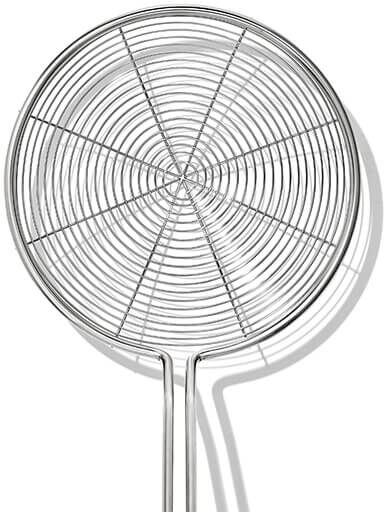
OXO Good Grips Scoop and Strain SkimmerThe OXO Good Grips Scoop and Strain Skimmer is ideal for retrieving pasta from boiling water, or fries from a fryer, owing to is wide basket and stainless steel composition. A handle with a long stem keeps your hand protected from hot pans, and the wired basket allows water and oil to drip out as food is lifted, while also preventing food damage. A soft, non-slip handle provides a good, comfortable grip. Dishwasher safe, this skimmer offers easy cleaning for kitchen efficiency. Dimensions: 37.6 (H) x 13.9 (W) cm. Dishwasher safe.17,85 £*Shipping: 3,50 £Secure redirect to the provider
-
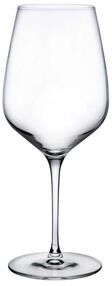
NUDE Glass Refine Burgundy Set of 2The NUDE Refine collection comprises a wide range of delicate-yet-durable glasses — including this Burgundy duo. The sturdy base and the tall, slender stem are crowned with a traditional bowl with a tapered rim designed to retain aromas and flavours.40,00 $*Shipping: 0,00 $Secure redirect to the provider



-
How do you write formulas for nonmetal oxides?
To write formulas for nonmetal oxides, you need to first identify the nonmetal element present in the oxide. Then, determine the oxidation number of the nonmetal element. Finally, write the formula by balancing the charges of the nonmetal element and oxygen. For example, the formula for carbon dioxide (CO2) is written by balancing the +4 oxidation number of carbon with the -2 oxidation number of oxygen. **
-
How can one recognize if an element is a nonmetal?
Nonmetals can be recognized by several characteristics. They are typically located on the right side of the periodic table, are poor conductors of heat and electricity, and have dull or non-shiny appearances. Nonmetals also tend to have lower melting and boiling points compared to metals. Additionally, they often form negative ions when they react with metals. **
-
What are the differences between metal oxides and nonmetal oxides?
Metal oxides are compounds formed between a metal and oxygen, while nonmetal oxides are compounds formed between a nonmetal and oxygen. Metal oxides tend to be basic in nature, meaning they react with acids to form salts and water. Nonmetal oxides, on the other hand, tend to be acidic in nature, meaning they react with bases to form salts and water. Additionally, metal oxides typically have higher melting and boiling points compared to nonmetal oxides. **
-
What are the properties of metal oxides and nonmetal oxides?
Metal oxides are typically basic in nature, meaning they react with acids to form salts and water. They are also typically solid at room temperature and have high melting and boiling points. Nonmetal oxides, on the other hand, are usually acidic in nature, meaning they react with bases to form salts and water. They are often gases or liquids at room temperature and have lower melting and boiling points compared to metal oxides. Both types of oxides play important roles in various chemical reactions and industrial processes. **

Ionic bonding always occurs between a metal and a nonmetal.
Ionic bonding always occurs between a metal and a nonmetal because of the large difference in electronegativity between the two types of elements. Metals have low electronegativity and tend to lose electrons, while nonmetals have high electronen **
How can one filter or purify water?
One can filter or purify water using various methods such as boiling, using a water filter, adding chlorine or iodine, using UV light, or using a water purification tablet. Boiling water is one of the most effective methods to kill bacteria, viruses, and parasites. Water filters can remove impurities and contaminants from water, making it safe to drink. Adding chlorine or iodine can also kill harmful microorganisms in the water. UV light can be used to disinfect water by destroying the DNA of microorganisms. Lastly, water purification tablets can be used to kill bacteria and viruses in the water. **
Top-Angebote
Products related to Nonmetal:
-
Puressentiel Muscle Strain Massage Oil 100mLA skin-care product. Preventing pain and heating muscles is important for athletes. This product relieves pain, fights inflammation, relaxes and warms the muscles. It presents in this formula: essential oils of lemon eucalyptus, true lavender, peppermint, rosemary, canphore and vegetable oils of arnica, queen of meadows and sesame that help reduce pain, eliminate toxins and facilitate massage.15,98 £*Shipping: 6,94 £Secure redirect to the provider
-
OXO Good Grips Scoop and Strain SkimmerThe OXO Good Grips Scoop and Strain Skimmer is ideal for retrieving pasta from boiling water, or fries from a fryer, owing to is wide basket and stainless steel composition. A handle with a long stem keeps your hand protected from hot pans, and the wired basket allows water and oil to drip out as food is lifted, while also preventing food damage. A soft, non-slip handle provides a good, comfortable grip. Dishwasher safe, this skimmer offers easy cleaning for kitchen efficiency. Dimensions: 37.6 (H) x 13.9 (W) cm. Dishwasher safe.17,85 £*Shipping: 3,50 £Secure redirect to the provider
-
How is a covalent bond formed when nonmetal atoms meet nonmetal atoms?
When nonmetal atoms meet nonmetal atoms, they can form covalent bonds by sharing electrons. Each nonmetal atom contributes one or more electrons to the bond, creating a shared electron pair between the two atoms. This sharing of electrons allows both atoms to achieve a more stable electron configuration, typically by filling their outermost energy levels. The strength of the covalent bond depends on the number of shared electrons and the distance between the nuclei of the bonded atoms. **
-
How does a nonmetal react with oxygen?
Nonmetals typically react with oxygen to form oxides. This reaction can be highly exothermic, meaning it releases a significant amount of heat. For example, when sulfur reacts with oxygen, it forms sulfur dioxide. Nonmetals generally have a high affinity for oxygen, and the resulting oxides can have a variety of properties, such as being acidic or basic. Overall, the reaction of nonmetals with oxygen is an important aspect of chemical reactivity and plays a role in various natural and industrial processes. **
-
How do you write formulas for nonmetal oxides?
To write formulas for nonmetal oxides, you need to first identify the nonmetal element present in the oxide. Then, determine the oxidation number of the nonmetal element. Finally, write the formula by balancing the charges of the nonmetal element and oxygen. For example, the formula for carbon dioxide (CO2) is written by balancing the +4 oxidation number of carbon with the -2 oxidation number of oxygen. **
-
How can one recognize if an element is a nonmetal?
Nonmetals can be recognized by several characteristics. They are typically located on the right side of the periodic table, are poor conductors of heat and electricity, and have dull or non-shiny appearances. Nonmetals also tend to have lower melting and boiling points compared to metals. Additionally, they often form negative ions when they react with metals. **
Similar search terms for Nonmetal
-
NUDE Glass Refine Burgundy Set of 2The NUDE Refine collection comprises a wide range of delicate-yet-durable glasses — including this Burgundy duo. The sturdy base and the tall, slender stem are crowned with a traditional bowl with a tapered rim designed to retain aromas and flavours.40,00 $*Shipping: 0,00 $Secure redirect to the provider
-
NUDE Glass Refine Red wine Set of 2The NUDE Refine collection explores traditional glassmaking techniques in a contemporary context. Designed to retain aromas and flavours, this set of wine glasses makes a case for opening your finest bottle of red.40,00 $*Shipping: 0,00 $Secure redirect to the provider
-
What are the differences between metal oxides and nonmetal oxides?
Metal oxides are compounds formed between a metal and oxygen, while nonmetal oxides are compounds formed between a nonmetal and oxygen. Metal oxides tend to be basic in nature, meaning they react with acids to form salts and water. Nonmetal oxides, on the other hand, tend to be acidic in nature, meaning they react with bases to form salts and water. Additionally, metal oxides typically have higher melting and boiling points compared to nonmetal oxides. **
-
What are the properties of metal oxides and nonmetal oxides?
Metal oxides are typically basic in nature, meaning they react with acids to form salts and water. They are also typically solid at room temperature and have high melting and boiling points. Nonmetal oxides, on the other hand, are usually acidic in nature, meaning they react with bases to form salts and water. They are often gases or liquids at room temperature and have lower melting and boiling points compared to metal oxides. Both types of oxides play important roles in various chemical reactions and industrial processes. **
-
Ionic bonding always occurs between a metal and a nonmetal.
Ionic bonding always occurs between a metal and a nonmetal because of the large difference in electronegativity between the two types of elements. Metals have low electronegativity and tend to lose electrons, while nonmetals have high electronen **
-
How can one filter or purify water?
One can filter or purify water using various methods such as boiling, using a water filter, adding chlorine or iodine, using UV light, or using a water purification tablet. Boiling water is one of the most effective methods to kill bacteria, viruses, and parasites. Water filters can remove impurities and contaminants from water, making it safe to drink. Adding chlorine or iodine can also kill harmful microorganisms in the water. UV light can be used to disinfect water by destroying the DNA of microorganisms. Lastly, water purification tablets can be used to kill bacteria and viruses in the water. **
* All prices are inclusive of VAT and, if applicable, plus shipping costs. The offer information is based on the details provided by the respective shop and is updated through automated processes. Real-time updates do not occur, so deviations can occur in individual cases. ** Note: Parts of this content were created by AI.