Buy filter-shop.eu ?
We are moving the project
filter-shop.eu .
Are you interested in purchasing the domain
filter-shop.eu ?
domain@kv-gmbh.de · 0541-91531010
Buy filter-shop.eu ?
What is a jet propulsion?
Jet propulsion is a method of creating thrust by expelling a high-velocity jet of fluid or gas in the opposite direction of the desired movement. This principle is commonly used in jet engines, where air is compressed and mixed with fuel before being ignited to produce a high-speed exhaust jet. The reaction force from the jet propels the engine and the aircraft forward. Jet propulsion is widely used in aviation, as well as in marine and rocket propulsion systems. **
Are there airplanes with nuclear propulsion?
No, there are currently no airplanes with nuclear propulsion. While nuclear propulsion has been explored for use in spacecraft and submarines, the technology is not currently used in commercial or military aircraft due to safety concerns and regulatory restrictions. The complexity and potential risks associated with nuclear propulsion make it unlikely to be implemented in airplanes in the near future. **


Similar search terms for Propulsion
Top-Angebote
Products related to Propulsion:
-
Puressentiel Muscle Strain Massage Oil 100mLA skin-care product. Preventing pain and heating muscles is important for athletes. This product relieves pain, fights inflammation, relaxes and warms the muscles. It presents in this formula: essential oils of lemon eucalyptus, true lavender, peppermint, rosemary, canphore and vegetable oils of arnica, queen of meadows and sesame that help reduce pain, eliminate toxins and facilitate massage.15,98 £*Shipping: 6,94 £Secure redirect to the provider
-
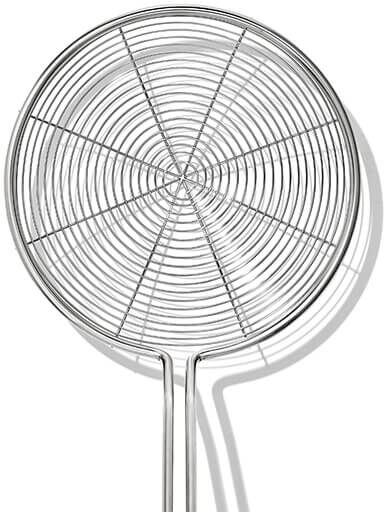
OXO Good Grips Scoop and Strain SkimmerThe OXO Good Grips Scoop and Strain Skimmer is ideal for retrieving pasta from boiling water, or fries from a fryer, owing to is wide basket and stainless steel composition. A handle with a long stem keeps your hand protected from hot pans, and the wired basket allows water and oil to drip out as food is lifted, while also preventing food damage. A soft, non-slip handle provides a good, comfortable grip. Dishwasher safe, this skimmer offers easy cleaning for kitchen efficiency. Dimensions: 37.6 (H) x 13.9 (W) cm. Dishwasher safe.17,85 £*Shipping: 3,50 £Secure redirect to the provider
-
NUDE Glass Refine Burgundy Set of 2The NUDE Refine collection comprises a wide range of delicate-yet-durable glasses — including this Burgundy duo. The sturdy base and the tall, slender stem are crowned with a traditional bowl with a tapered rim designed to retain aromas and flavours.40,00 $*Shipping: 0,00 $Secure redirect to the provider



-
What is a rocket propulsion system?
A rocket propulsion system is a method of generating thrust to propel a rocket into space. It typically involves the combustion of propellant, such as liquid or solid fuel, to produce high-speed exhaust gases that create a reaction force in the opposite direction, according to Newton's third law of motion. There are different types of rocket propulsion systems, including chemical rockets, electric propulsion, and nuclear propulsion, each with its own advantages and limitations. Rocket propulsion systems are essential for space exploration, satellite deployment, and interplanetary travel. **
-
What propulsion system could UFOs have?
UFOs could potentially have advanced propulsion systems such as anti-gravity technology, electromagnetic propulsion, or even warp drives. These systems would allow them to achieve incredible speeds and maneuverability, as reported by many eyewitness accounts. While the exact nature of UFO propulsion systems remains a mystery, it is widely believed that they would have to be highly advanced and beyond our current understanding of physics. **
-
Is it possible to use a propulsion system like the photon drive and magnetic field as propulsion?
While the concept of using a propulsion system like the photon drive and magnetic field for propulsion is theoretically possible, it is currently not a practical or feasible method for spacecraft propulsion. The photon drive relies on the momentum of photons for thrust, which is very small and would require a massive amount of energy to generate significant acceleration. Additionally, the use of magnetic fields for propulsion, such as in magnetic sails, is still in the experimental stages and faces challenges in terms of scalability and efficiency. Research and development in these areas are ongoing, but more advancements are needed before these propulsion systems can be effectively used in space missions. **
-
What is the smallest atomic propulsion system?
The smallest atomic propulsion system is the radioisotope thermoelectric generator (RTG). RTGs use the heat produced by the decay of radioactive isotopes, such as plutonium-238, to generate electricity. This electricity can then be used to power small spacecraft and satellites, providing a long-lasting and reliable source of energy for deep space missions. RTGs have been used in numerous space missions, including the Voyager and Cassini spacecraft. **


Why do ships use diesel as propulsion?
Ships use diesel as propulsion because diesel engines are known for their efficiency, reliability, and power. Diesel engines are able to generate a high amount of torque, making them well-suited for powering large vessels through water. Additionally, diesel fuel is widely available around the world, making it a convenient choice for long-distance travel. Overall, diesel propulsion offers a cost-effective and practical solution for powering ships across various types of water bodies. **
Which type of propulsion would you choose?
I would choose electric propulsion for its environmental benefits and efficiency. Electric propulsion produces zero emissions, reducing the environmental impact of the vehicle. It also requires less maintenance and has lower operating costs compared to traditional combustion engines. Additionally, electric propulsion provides smooth and quiet operation, enhancing the overall experience for passengers. **
Top-Angebote
Products related to Propulsion:
-
Puressentiel Muscle Strain Massage Oil 100mLA skin-care product. Preventing pain and heating muscles is important for athletes. This product relieves pain, fights inflammation, relaxes and warms the muscles. It presents in this formula: essential oils of lemon eucalyptus, true lavender, peppermint, rosemary, canphore and vegetable oils of arnica, queen of meadows and sesame that help reduce pain, eliminate toxins and facilitate massage.15,98 £*Shipping: 6,94 £Secure redirect to the provider
-
OXO Good Grips Scoop and Strain SkimmerThe OXO Good Grips Scoop and Strain Skimmer is ideal for retrieving pasta from boiling water, or fries from a fryer, owing to is wide basket and stainless steel composition. A handle with a long stem keeps your hand protected from hot pans, and the wired basket allows water and oil to drip out as food is lifted, while also preventing food damage. A soft, non-slip handle provides a good, comfortable grip. Dishwasher safe, this skimmer offers easy cleaning for kitchen efficiency. Dimensions: 37.6 (H) x 13.9 (W) cm. Dishwasher safe.17,85 £*Shipping: 3,50 £Secure redirect to the provider
-
What is a jet propulsion?
Jet propulsion is a method of creating thrust by expelling a high-velocity jet of fluid or gas in the opposite direction of the desired movement. This principle is commonly used in jet engines, where air is compressed and mixed with fuel before being ignited to produce a high-speed exhaust jet. The reaction force from the jet propels the engine and the aircraft forward. Jet propulsion is widely used in aviation, as well as in marine and rocket propulsion systems. **
-
Are there airplanes with nuclear propulsion?
No, there are currently no airplanes with nuclear propulsion. While nuclear propulsion has been explored for use in spacecraft and submarines, the technology is not currently used in commercial or military aircraft due to safety concerns and regulatory restrictions. The complexity and potential risks associated with nuclear propulsion make it unlikely to be implemented in airplanes in the near future. **
-
What is a rocket propulsion system?
A rocket propulsion system is a method of generating thrust to propel a rocket into space. It typically involves the combustion of propellant, such as liquid or solid fuel, to produce high-speed exhaust gases that create a reaction force in the opposite direction, according to Newton's third law of motion. There are different types of rocket propulsion systems, including chemical rockets, electric propulsion, and nuclear propulsion, each with its own advantages and limitations. Rocket propulsion systems are essential for space exploration, satellite deployment, and interplanetary travel. **
-
What propulsion system could UFOs have?
UFOs could potentially have advanced propulsion systems such as anti-gravity technology, electromagnetic propulsion, or even warp drives. These systems would allow them to achieve incredible speeds and maneuverability, as reported by many eyewitness accounts. While the exact nature of UFO propulsion systems remains a mystery, it is widely believed that they would have to be highly advanced and beyond our current understanding of physics. **
Similar search terms for Propulsion
-
NUDE Glass Refine Burgundy Set of 2The NUDE Refine collection comprises a wide range of delicate-yet-durable glasses — including this Burgundy duo. The sturdy base and the tall, slender stem are crowned with a traditional bowl with a tapered rim designed to retain aromas and flavours.40,00 $*Shipping: 0,00 $Secure redirect to the provider
-
NUDE Glass Refine Red wine Set of 2The NUDE Refine collection explores traditional glassmaking techniques in a contemporary context. Designed to retain aromas and flavours, this set of wine glasses makes a case for opening your finest bottle of red.40,00 $*Shipping: 0,00 $Secure redirect to the provider
-
Is it possible to use a propulsion system like the photon drive and magnetic field as propulsion?
While the concept of using a propulsion system like the photon drive and magnetic field for propulsion is theoretically possible, it is currently not a practical or feasible method for spacecraft propulsion. The photon drive relies on the momentum of photons for thrust, which is very small and would require a massive amount of energy to generate significant acceleration. Additionally, the use of magnetic fields for propulsion, such as in magnetic sails, is still in the experimental stages and faces challenges in terms of scalability and efficiency. Research and development in these areas are ongoing, but more advancements are needed before these propulsion systems can be effectively used in space missions. **
-
What is the smallest atomic propulsion system?
The smallest atomic propulsion system is the radioisotope thermoelectric generator (RTG). RTGs use the heat produced by the decay of radioactive isotopes, such as plutonium-238, to generate electricity. This electricity can then be used to power small spacecraft and satellites, providing a long-lasting and reliable source of energy for deep space missions. RTGs have been used in numerous space missions, including the Voyager and Cassini spacecraft. **
-
Why do ships use diesel as propulsion?
Ships use diesel as propulsion because diesel engines are known for their efficiency, reliability, and power. Diesel engines are able to generate a high amount of torque, making them well-suited for powering large vessels through water. Additionally, diesel fuel is widely available around the world, making it a convenient choice for long-distance travel. Overall, diesel propulsion offers a cost-effective and practical solution for powering ships across various types of water bodies. **
-
Which type of propulsion would you choose?
I would choose electric propulsion for its environmental benefits and efficiency. Electric propulsion produces zero emissions, reducing the environmental impact of the vehicle. It also requires less maintenance and has lower operating costs compared to traditional combustion engines. Additionally, electric propulsion provides smooth and quiet operation, enhancing the overall experience for passengers. **
* All prices are inclusive of VAT and, if applicable, plus shipping costs. The offer information is based on the details provided by the respective shop and is updated through automated processes. Real-time updates do not occur, so deviations can occur in individual cases. ** Note: Parts of this content were created by AI.